Risks & informed consent explained clearly
Before every treatment, patients should know which options, limits and risks exist. Transparent informed consent is part of the treatment at Nagelneu Laser.
Why informed consent is important
- patients should understand what is being done
- alternatives must be discussed
- risks and aftercare must be clear
- a decision only after informed consent and agreement
Possible complaints after the treatment
- a feeling of pressure
- pain
- swelling
- redness
- wound secretion
- mild bleeding
- sensitivity when putting weight on it
Possible risks
- wound-healing disorder
- infection
- secondary bleeding
- renewed inflammation
- renewed ingrowth
- nail change
- scarring
- delayed healing
- intolerance of materials or dressings
- particular caution in at-risk patients
When is there a particular risk?
- diabetes
- circulatory disorders
- a weakened immune system
- blood thinners
- a severe infection
- poor wound healing in the past
- smoking
- unsuitable footwear or strong pressure
What patients can contribute themselves
- follow the aftercare instructions
- keep the dressing clean
- avoid pressure
- wear suitable shoes
- do not cut the nail edge yourself
- report warning signs early
Warning signs after the treatment
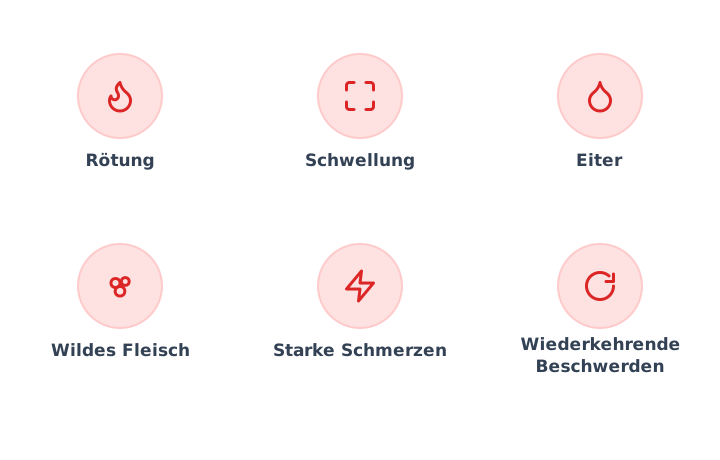
- increasing pain
- marked redness
- marked swelling
- pus
- fever
- unpleasant odour
- persistent bleeding
- clear worsening
Informed consent at Nagelneu Laser
Before a treatment at Nagelneu Laser, a medical assessment takes place. During this, the findings, treatment options, alternatives, the procedure, anaesthesia, possible risks, aftercare and costs are discussed clearly.
Frequently asked questions
Yes. As with any medical treatment, complaints or risks can occur, for example pain, swelling, infection, secondary bleeding, wound-healing disorders or a renewed ingrowth. That is why informed consent takes place beforehand.
A recurrence cannot be completely ruled out. Proper treatment, aftercare, nail care and pressure relief can help to reduce the risk.
With diabetes or circulatory disorders, particular caution is important. Please inform us of such conditions before the treatment so that the findings can be assessed correctly by the doctor.
In case of increasing pain, marked redness, swelling, pus, fever, unpleasant odour or clear worsening, you should get in touch with a doctor.
Further information
This page is for general information and does not replace a medical consultation. Which risks are relevant in your case is discussed with you personally in the medical assessment before every treatment.